


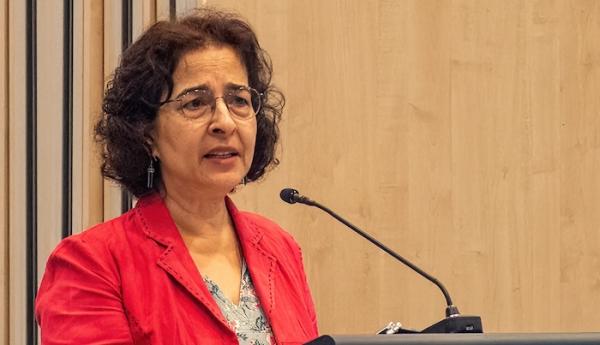
The United Nations Special Rapporteur on Freedom of Religion or Belief, Nazila Ghanea, has expressed concern over the state of religious freedom in Nigeria, warning that growing insecurity, violence and impunity are eroding the rights and freedoms of citizens across the country.
Speaking in Abuja while presenting her preliminary findings at the conclusion of an 11-day official visit, Ghanea said discussions on freedom of religion and belief were largely dominated by concerns over insecurity and conflict affecting communities nationwide.
The UN envoy, who visited Nigeria from June 8 to June 19, held meetings with government officials, security agencies, judicial officers, religious leaders, civil society groups, victims of violence and members of the diplomatic community.
According to her, the widespread and persistent nature of violence across Nigeria has created deep concern and continues to undermine the enjoyment of fundamental freedoms.
“Discussion of freedom of religion or belief in Nigeria elicits very acute concerns about insecurity, violence and conflict which has spread throughout the country and has generated huge alarm,” she said.
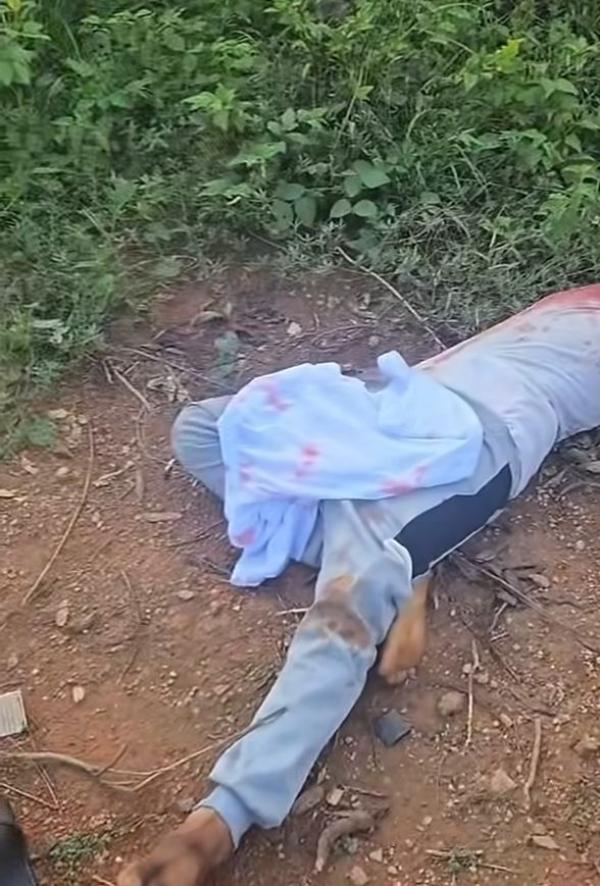
Ghanea listed terrorist attacks, gang violence, banditry, land grabbing, mass displacement, armed conflict, cattle rustling, hostage-taking, arson, destruction of schools and places of worship, large-scale kidnappings and civil unrest linked to protests and strikes among the key threats facing communities.
She noted that the lack of accountability for perpetrators has contributed to recurring cycles of violence, particularly in rural areas where victims often suffer repeated attacks without justice. Some communities, she said, reported being compelled to enter peace agreements with bandits, including surrendering farmland and other resources in exchange for protection.
The UN expert also raised concerns about continued attacks on schools and the abduction of children, describing them as grave violations of the rights of young Nigerians.
“What remains uncontested is that, at the village and hamlet levels in particular concentrations of the country, scores of innocent people experience killings, mass violence and the total decimation of their livelihoods, time and again, witnessing little or no justice,” she said.
Ghanea cautioned against viewing Nigeria solely through the lens of a Muslim North and Christian South, arguing that such narratives oversimplify the country's complex religious and cultural diversity.
She also criticised the continued inclusion of religion on administrative forms, saying it reinforces religion as a dominant organising principle in society and creates opportunities for political exploitation.
“The existence of the religion field in such forms reinforces religion as a predominant organising principle of Nigerian society which, in turn, makes it highly susceptible to religion being played for power, politics and wealth,” she stated.
The rapporteur further expressed concern over allegations of discrimination against religious minorities and non-religious individuals, noting that security challenges often overshadow discussions about marginalisation and unequal treatment.
According to her, several stakeholders alleged the existence of systematic discrimination against Christians in parts of northern Nigeria, while others claimed Muslims face restrictions and unequal treatment in some southern states.
She called for an end to religious profiling and urged authorities to ensure equal rights and protections for all Nigerians regardless of their faith or beliefs.
Ghanea also questioned whether blasphemy laws in some northern states are compatible with constitutional guarantees of freedom of thought, conscience and religion. While some state authorities defended the laws on cultural and moral grounds, others argued they conflict with Section 10 of the Nigerian Constitution, which prohibits the adoption of a state religion.
She referenced the April 2025 ruling of the ECOWAS Court of Justice on Kano State's blasphemy laws, noting that some officials had challenged the binding nature of the judgment.
The UN envoy disclosed that a comprehensive report containing her findings and recommendations would be submitted to the UN Human Rights Council in March 2027.
Despite the concerns raised during her visit, Ghanea commended the resilience of Nigerian civil society organisations, victims of violence and young people, expressing confidence that the country has the expertise and human capital required to strengthen freedom of religion and belief.
“There is no doubt that Nigeria has the expertise, experts and committed, inspirational youth to secure freedom of thought, conscience and religion for all on an equal basis,” she said. “There is also no doubt that there is a long way to go until that is fully realised.”
Her visit comes months after US President Donald Trump redesignated Nigeria as a Country of Particular Concern (CPC) over allegations of widespread persecution of Christians in parts of the country.
Trump claimed Christianity was facing an “existential threat” in Nigeria and accused radical Islamist groups of carrying out mass killings, while warning that the United States could take further action under the International Religious Freedom Act.
The Nigerian government has rejected the allegations, insisting that people of different faiths coexist peacefully and that the country's security challenges are driven by terrorism, banditry and other forms of criminality rather than religious persecution.
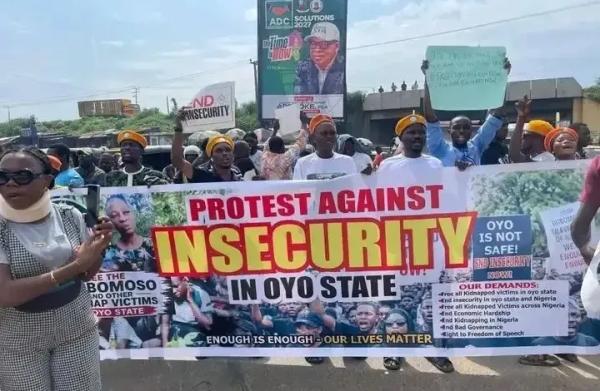
The debate continues amid worsening insecurity in several parts of Nigeria, where attacks on schools, communities and civilians persist despite ongoing security operations.