


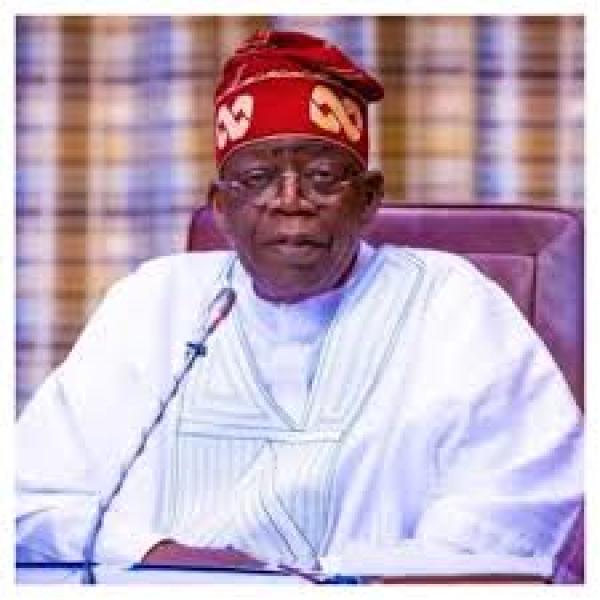
President Bola Tinubu has transmitted a Constitution Alteration Bill seeking the establishment of state police to the Senate, in what could mark a significant shift in Nigeria’s security framework.
Senate President Godswill Akpabio disclosed this during plenary on Tuesday, stating that the upper chamber is scheduled to begin consideration of the proposed constitutional amendment on Wednesday.
Akpabio also revealed that state governments have indicated their readiness to consider the bill immediately after receiving it, signaling growing support for the long-debated reform.
The proposed legislation seeks to amend relevant sections of the 1999 Constitution to provide the legal basis for the creation and operation of state police forces across the country.
The development follows repeated calls by President Tinubu for constitutional reforms that would grant states a more active role in safeguarding lives and property within their jurisdictions.
In February, the President urged the National Assembly to amend the Constitution to accommodate state policing, arguing that the measure is critical to addressing terrorism, banditry, kidnapping and other security challenges.
Speaking during his Democracy Day address earlier this month, Tinubu reaffirmed his administration’s commitment to tackling insecurity, warning that terrorists, bandits and their sponsors would face the full force of the law.
He noted that over 13,000 terrorists had been neutralised in the past year and said terrorism-related fatalities had declined significantly. However, he acknowledged that the continued captivity of some schoolchildren abducted in Oyo and Borno states remains a stark reminder of the country’s ongoing security concerns.
The push for state police has gathered momentum in recent months, with both chambers of the National Assembly advancing constitutional amendment efforts aimed at decentralising policing powers.
The Senate is also expected to reconvene for an emergency plenary session as lawmakers move to accelerate consideration of what could become one of the most consequential security reforms in Nigeria’s democratic history.
More details coming…