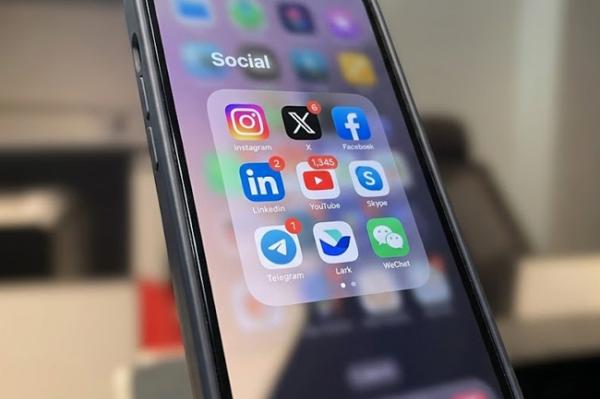



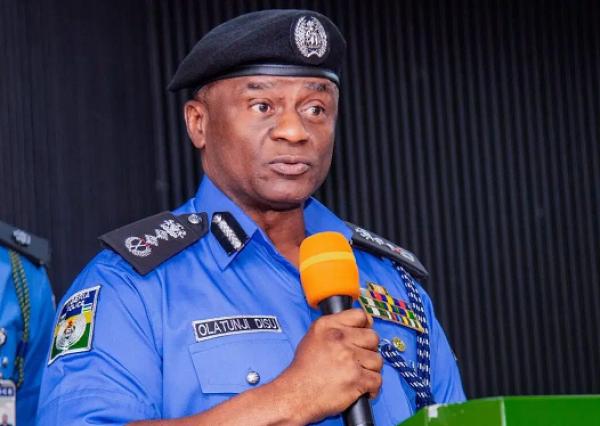
The Inspector-General of Police (IGP), Olatunji Disu, has banned officers and personnel of the Nigeria Police Force from engaging in unauthorized social media activities, including posting videos, live streaming, creating skits, and monetizing content on platforms such as TikTok, Instagram, Facebook, YouTube, and others while identifying themselves as police officers.
The directive was contained in a circular dated June 22 and signed by the IGP’s Principal Staff Officer. The circular warned that officers who violate the order risk severe disciplinary sanctions, including immediate suspension, salary forfeiture, demotion, dismissal from service, and possible criminal prosecution.
Disu expressed concern over what he described as the growing and disturbing trend of police personnel using social media platforms without official approval.
According to the circular, some officers have been posting videos of themselves in police uniforms for entertainment, self-promotion, and financial gain. Others have allegedly operated social media accounts under their real names or pseudonyms in ways capable of tarnishing the image of the Force, while publicly commenting on police operations, disciplinary matters, internal affairs, and national security issues without authorization.
The police chief also noted concerns about serving officers aspiring to become full-time content creators and making public statements on sensitive matters that could undermine public confidence in the Nigeria Police Force.
The circular reminded personnel that existing laws and regulations already prohibit unauthorized public statements, interviews without approval, the use of police uniforms for non-official content, and any online activity capable of embarrassing or compromising the Force.
Under the new directive, officers are barred from creating, publishing, or sharing videos, photographs, skits, live streams, or any other content in police uniforms or within police facilities without written approval from the IGP or an authorized representative.
They are also prohibited from operating personal or anonymous social media accounts for content creation, entertainment, brand promotion, or commercial purposes where such activities exploit their status as police officers. The directive further forbids officers from commenting publicly on police investigations, postings, transfers, promotions, disciplinary proceedings, or other official matters.
In addition, personnel are prohibited from accepting sponsorships, endorsement deals, monetization arrangements, or commercial partnerships linked to content that leverages their identity as members of the Force. The disclosure of classified or sensitive information relating to police operations, deployments, personnel, or strategies is equally forbidden.
The IGP also warned officers against making statements on political issues, government policies, or public controversies in any manner connected to their position as police personnel.
Disu stressed that senior officers would be held accountable for violations committed by personnel under their supervision.
The circular directed Commissioners of Police across the country to ensure the directive is communicated to all officers in their commands and to submit evidence of compliance, including attendance registers and signed acknowledgment forms, to the Force Secretary within 30 days.